

Lasting change happens when communities, families and services work together, and when people feel seen, valued and connected.
This is something at the heart of Wellspring Children and Families Hub, Hawthorne, an evidence-based centre using a hopeful model of connected care.
Trusted connections make the biggest difference
We know that healing doesn't happen in isolation, and that trauma, violence, housing instability and poverty often isolate families from the very relationships and opportunities that help people recover and thrive.
The Hawthorne Hub links families with services, peers and community, not just professional support, because connection and belonging are vital parts of feeling safe, supported and strong.
It’s more than a collection of programs; it’s a familiar place where families can build relationships over time, return to familiar faces and access different types of support as their needs change. For some, the first visit might be for a health appointment or playgroup. Over time, that trusted relationship can become a pathway to other supports, such as earlier intervention for kids with developmental delays, or financial counselling that can unlock future opportunities.
When families feel safe, welcomed and genuinely seen, they're more likely to build trusting relationships, access the support they need and reconnect with their own strengths.
Across every program, families tell us the same thing: having someone they trust makes a big difference when navigating a crisis.
Australian family wellbeing experts, Emerging Minds, explain that connection and belonging offer an extra source of strength for families who have been through tough times.
"By generating a sense of belonging, connections can provide a buffer against adverse life events, foster resilience and overall health and wellbeing," notes Emerging Minds.
The Australian Institute of Family Studies also explains, "With strong social networks, families can learn from the experiences of others, get help navigating challenges and feel a sense of solidarity.
"We see that families rarely experience challenges one at a time, and the challenges are often closely connected. That’s why the Hub responds by bringing together professionals from different disciplines, making different types of support easier to access.
Belonging is a powerful healer
Healing is strengthened when children and families feel they belong. The Hub's approach isn't only informed by experience; it’s also grounded in nationally recognised evidence about what helps children and families thrive.
The Nest Wellbeing Framework recognises that a positive sense of identity and culture is fundamental to wellbeing. This research underpins everything at Hawthorne Hub, which is valuable because it was done in consultation with more than 4,000 children, families and professionals across Australia. Ultimately, the evidence recognises that children thrive when they experience belonging, feel valued and safe, and know their identity and culture are respected.
When we share a common understanding and language around wellbeing, we can work towards a shared goal: ensuring that all Australian children and young people thrive.
Early connections create hopeful futures
The First 2000 Days approach is core to Micah Projects work and recognises that healthy child development is shaped not only by healthcare, but by relationships, safe housing, community connection and coordinated support around families.
Responsive, nurturing relationships buffer stress, support healthy brain development, and help parents feel confident and capable. This means early intervention is crucial to break cycles of disadvantage.
The Hub offers early intervention, connection, safety and professional childhood development support so families may avoid or lessen the impacts of intergenerational trauma, violence, homelessness and poverty. This support for parents and children is an investment in children's long-term wellbeing.
Connection in practice
That is exactly the role of Micah Projects' longest-running program, Young Mothers for Young Women (YMYW) at the Hub. Working with multidisciplinary teams, including partnering healthcare professionals from local hospitals, YMYW provides targeted family support, group programs and peer support for young women and their children.
Over 30 years since Micah Projects started this program in Brisbane, we've seen that social connection is one of the most powerful elements when combined with practical help.
I like to think that, as a family, we’ve been able to meet new people and talk about things with them that we usually don’t talk about with family.
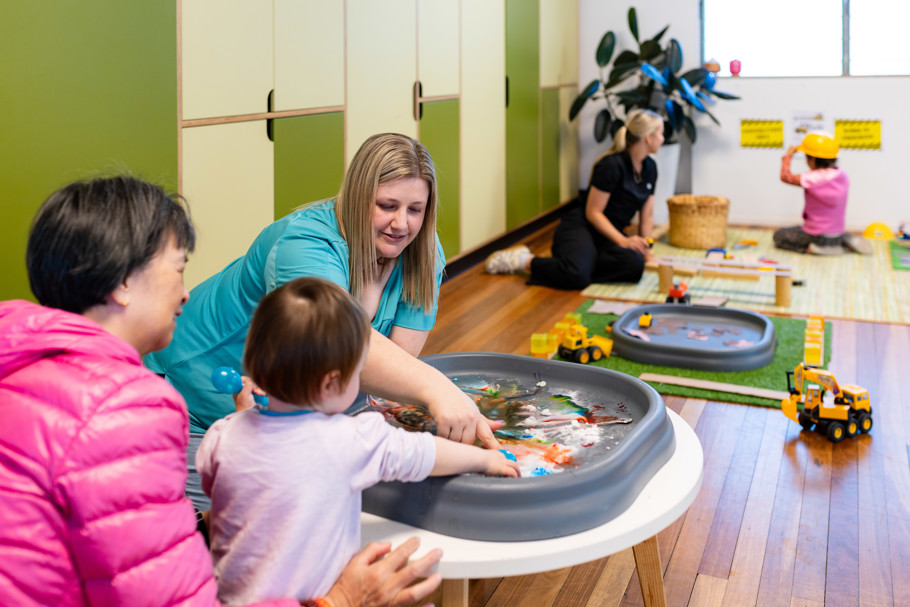
Through playgroups, parenting groups, children's activities, peer support, community events and everyday opportunities to interact, families build relationships that often continue beyond the program itself.
Supportive relationships may start as a cup of tea with another parent after a health appointment or chatting by the playground before a group for young people who have experienced family violence.
Learning from experiences
While professional support is the first focus for families, some of the strongest encouragement comes from peers who have faced similar experiences themselves. Shared understanding can reduce shame, create trust and remind parents that they are not alone.
“Personally, I was terrified of going to a playgroup, purely because I was worried about judgement. But both my partner and I have never once felt judged, the atmosphere is too warm and welcoming to let that happen,” Pere explained.
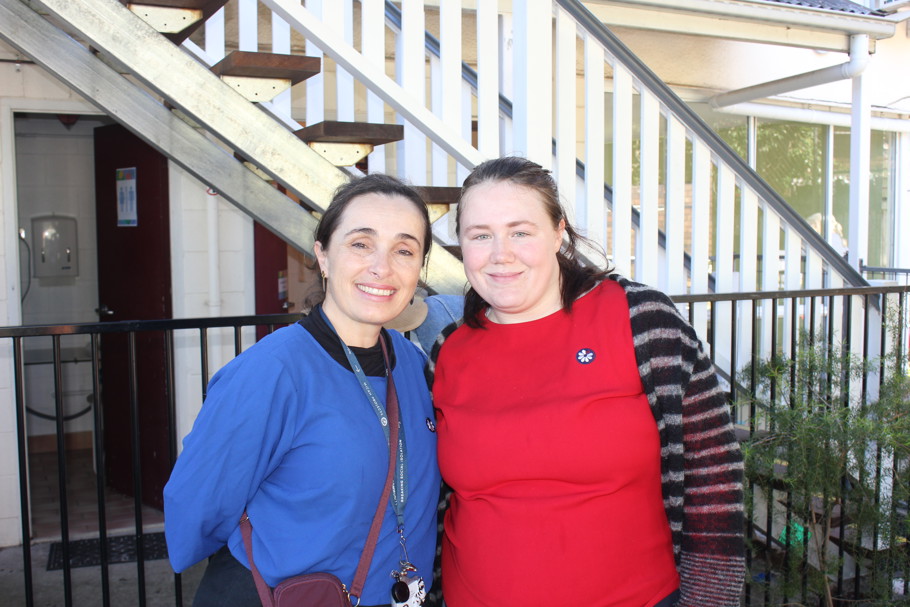
People often feel safe with others who have walked a similar path. Peer support workers who have shared lived experience as the families visiting the Hub help to create an inclusive, supportive environment where parents and children can feel safe and seen.
Connections that create lasting change
At Hawthorne Hub, healthy, lasting change is the goal for practitioners, peer workers and community partners who work alongside women and families over time.
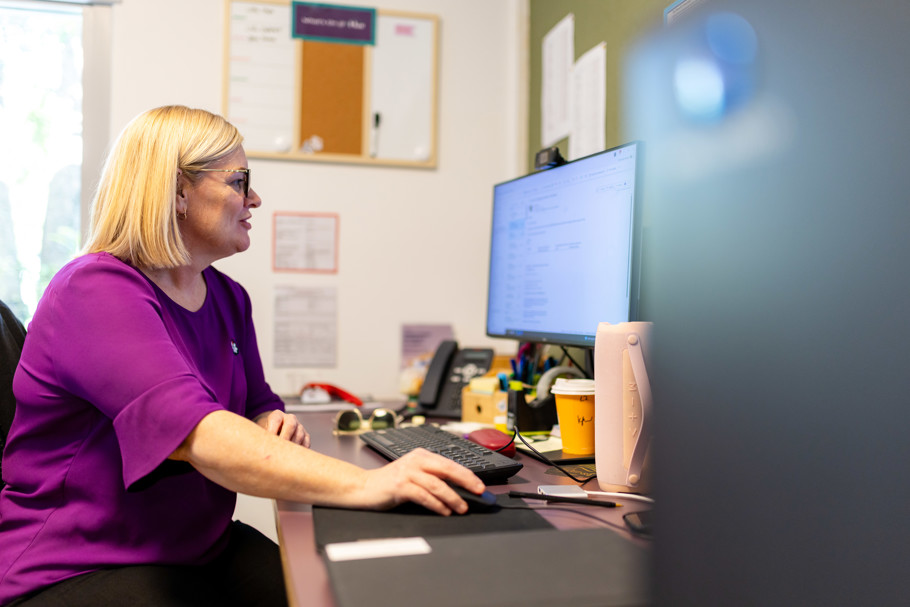
Specialists work together in one place so that support feels coordinated for families, rather than hard to juggle. Child health, family support, domestic and family violence specialists, peer workers and community partners each bring their expertise while sharing a common goal: supporting the wellbeing of women, children and families.
“It's this combination of trauma-informed practice, cultural safety and genuine community connection that helps reduce isolation and creates lasting opportunities for women, children and families to thrive,” says Hub Coordinator, Melanie.
Trust takes time to build, particularly for families who have experienced trauma, violence or homelessness. By offering consistent relationships in a safe and welcoming environment, the Hub creates space for families to engage at their own pace and seek additional support when they are ready.
We would be trapped and alone without you and the services you have offered. Although unfortunate circumstances, you have helped to give us a new life and I am beyond grateful.
While we always start with the basics – safe housing – and work from there, we’ve learned that it’s not just the immediate and practical things that make or break a family’s journey out of a crisis. Often, the challenges are too great to overcome without a village of support.
Lasting change happens when communities, families and services work together. It's a lesson we've learned over three decades, and one we see reflected every day at Hawthorne Hub.
When women, children and families experience belonging alongside practical support, they are better placed to build safer, healthier and more hopeful futures.
Keep reading
-
Justice starts close to home: Anti-Poverty Week 2026 in Brisbane News
This Anti-Poverty Week (11 to 17 October), we're asking Brisbane to take a closer look at who is impacted by poverty in our community and what evidence says about why.
Housing and Homelessness ServicesSystems Leadership and AdvocacyWomen, Children and Families -
2026 Christmas Hamper Appeal Donations Open News
A Christmas hamper is more than a meal. It is a reminder that someone cares. Donate towards the cost of a Christmas hamper and help bring care, comfort and a little joy this Christmas.
Women, Children and FamiliesSupportive HousingLotus ServicesHousing and Homelessness ServicesSocial Enterprise and Community ConnectionDomestic and Family Violence Services -
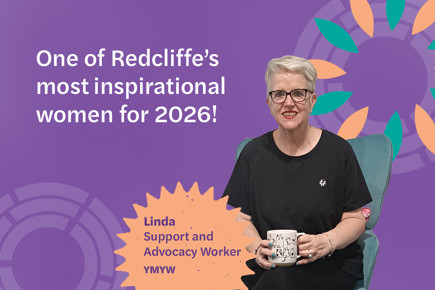
Linda’s Dedication to Support Work News
Support and Advocacy Worker Linda recognised as one of Redcliffe’s Most Inspirational Women for 2026.
Wellspring ServicesWomen, Children and Families -
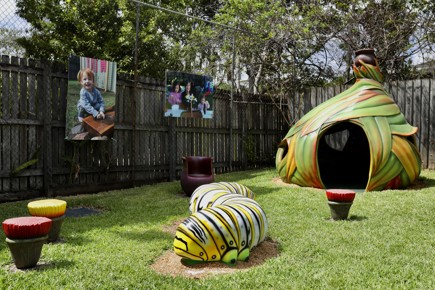
Inside TreeHouse Magic News
Walk through the doors of TreeHouse Magic Centre and you'll find a place designed for young children and their parents together, using play to support early learning and family wellbeing. Offering more than most playgroups or childcare centres, this early learning program at the Wellspring Children and Families Hub in Hawthorne recognises that lasting change happens when the whole family feels connected, healthy and safe.
Women, Children and FamiliesWellspring Services