

After 30 years working alongside Brisbane communities, we continue to see the daily, deeply personal impacts of poverty. Social justice is not abstract. It’s making real, lasting change for people here in Brisbane.
For people experiencing or at risk of homelessness, poverty is about more than not having enough money. It is structural. It’s about being excluded from systems that should include them.
When low incomes, high housing costs, insecure work, unemployment, inadequate access to services and limited social supports intersect, people become trapped in circumstances that cannot be overcome through individual effort alone.
We’re seeing the pressures intensify for people across a wider range of circumstances. Housing insecurity, rising costs of living, structural inequality, are all barriers in the way of stable homes, access to healthcare and a fairer community.
These issues challenge individuals and families, as well as the strength of our social fabric. That’s why we are asking everyone to learn more and act for change.
The numbers behind the headlines
The housing, health and income systems are under too much pressure to hold people up, and these numbers show the impact on local lives.
People experiencing homelessness, particularly those sleeping rough, experience one of the most harmful kinds of poverty, impacting health, safety and access to basic rights.
Key figures

157,000
people living below the poverty line in Brisbane

85%
of working-age Brisbane residents in poverty are employed
307
families, with 474 children, are experiencing homelessness
More than 157,000 people in Brisbane are living below the poverty line.
85% of working-age Brisbane residents in poverty are employed. This points to a housing, cost-of-living and income-support gap, not a personal failure.
779 individual adults and 307 families, including 474 children, are experiencing homelessness in Brisbane right now (Brisbane Zero By-Name List, June 2026), with 24,000 households on the Queensland’s Social Housing Register.
Strength and resilience alone aren't enough to outmatch a housing and income system stretched this thin. Approaching poverty without judgement is how our community starts to change the systems that created it.
That’s why Micah Projects aims to lead with openness and compassion, while actively advocating for people to be seen, heard and supported within an overburdened system.
Standing with Queensland families
Change demands that we see the unmet needs in our community and recognise the collective deficit that costs us; the deficit that leaves children without homes, safety, food and schooling, and creates lifelong challenges.
This Anti-Poverty Week, Micah Projects stands alongside QCOSS and 26 founding members behind the Raising Queensland campaign, calling on the Queensland Government to develop a comprehensive Families Strategy, one that delivers targeted support for families facing hardship and makes sure every child, in every community across Queensland, can access what they need to thrive. It asks for your voice to support Raising Queensland alongside us and 26 founding members.
What you can do
Together, we can meet poverty and homelessness with compassion, non-judgement and action.
Sponsor a Christmas Hamper that provides food and festive treats to individuals and families experiencing poverty and homelessness.
Visit Hope Street Café in to South Brisbane or West End and pay it forward with a coffee or toastie for someone doing it tough.
Contribute to housing essentials and help set up a safe home for a family moving into South Brisbane supportive housing.
Add your voice of support to the Raising Queensland campaign that calls for a Queensland Families Strategy to address basic needs, including access to safe affordable housing and health services.
What the research is telling us
Anti-Poverty Week pulls research into focus as we advocate for people experiencing poverty in our communities. See the growing collection of resources below to learn more.
Poverty in Australia Report 2026 – The Salvation Army Australia
Poverty affects around one in seven Australians. This report explores the complex drivers of poverty, who is most affected, and what can be done to prevent disadvantage from becoming entrenched.
Poverty and Inequality – ACOSS and UNSW Sydney
Poverty can be defined in different ways. ACOSS and UNSW use two international poverty lines to measure poverty in Australia. See the measures and research to date, with more to follow soon.
Brisbane Homelessness Dashboards - Brisbane Zero
See the current numbers relating to individual and family homelessness in Brisbane from the monthly by-name-list.
The 21st Annual Statistical Report of the HILDA Survey - The University of Melbourne
See key social and economic indicators and how they track over time.
Supportive Housing: The what, why and how - AAEH
For a small number of people in Australia, homelessness isn't a single crisis but a cycle. Years of rough sleeping, repeated hospital stays, time in custody and short-term accommodation leave them caught between systems that weren't designed to meet their needs over the long term. Read how supportive housing can help break that cycle of poverty and instability.
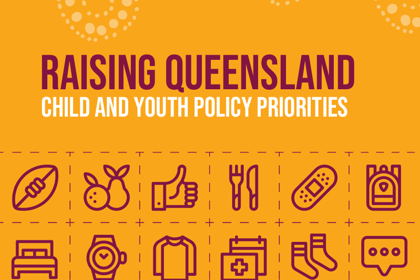
Raising Queensland Child and Youth Policy Priorities – QCOSS and University of Queensland
This University of Queensland-authored report considers state government policy focused on families and children over time. The report shows Queensland’s children are worse off than other states and that families are often not considered when efforts are made to support kids. We also know that 1 in 6 children in Australia are impacted by poverty.
Advocacy, media and community conversations
Stay tuned as we add more throughout Anti Poverty Week 2026
Keep reading
-
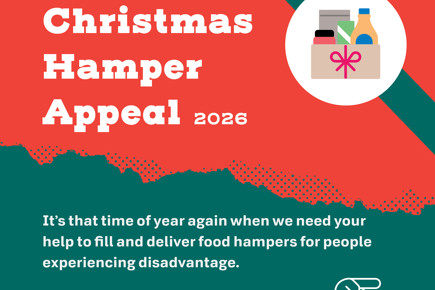
2026 Christmas Hamper Appeal Donations Open News
A Christmas hamper is more than a meal. It is a reminder that someone cares. Donate towards the cost of a Christmas hamper and help bring care, comfort and a little joy this Christmas.
Women, Children and FamiliesSupportive HousingLotus ServicesHousing and Homelessness ServicesSocial Enterprise and Community ConnectionDomestic and Family Violence Services -
New Health and Housing Hub is coming to South Brisbane News
We're proud to announce plans for a new Health and Housing Hub at 6 Cordelia Street, South Brisbane , as made possible through funding by the Australian Government Department of Health, Disability and Ageing, along with a generous grant from The Ellen Whitty Trust. The Hub will bring together healthcare, housing, social support, wellbeing services, training and research into one welcoming community space for people experiencing hardship or challenges accessing the care that they need.
Housing and Homelessness ServicesInclusive Health Partnerships -
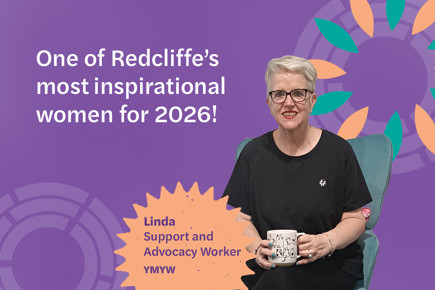
Linda’s Dedication to Support Work News
Support and Advocacy Worker Linda recognised as one of Redcliffe’s Most Inspirational Women for 2026.
Wellspring ServicesWomen, Children and Families -
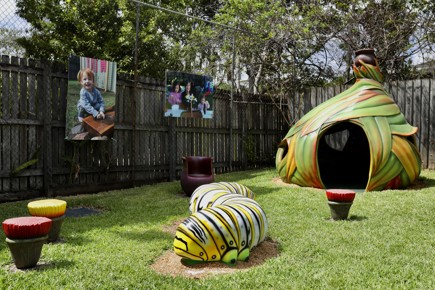
Inside TreeHouse Magic News
Walk through the doors of TreeHouse Magic Centre and you'll find a place designed for young children and their parents together, using play to support early learning and family wellbeing. Offering more than most playgroups or childcare centres, this early learning program at the Wellspring Children and Families Hub in Hawthorne recognises that lasting change happens when the whole family feels connected, healthy and safe.
Women, Children and FamiliesWellspring Services