

We see parents as strong and courageous partners.
Every day, we see the resilience and determination of women, children and families facing complex challenges. We work together with specialists and community to help families access a safer, more just and equitable future.
Over three decades of supporting families, Micah Projects has learned that positive outcomes are most likely when the whole person and whole family is seen and supported. The Wellspring Children and Families Hub in Hawthorne is modelled on evidence and best practice to do just that: be a safe place of support for families facing interconnected challenges, which often include domestic and family violence, housing instability, trauma and social isolation.
Now evolved to include a range of age-appropriate responses for children and parents, the Hub is showing us that women, children and families have hopeful pathways towards safety, stability and wellbeing.
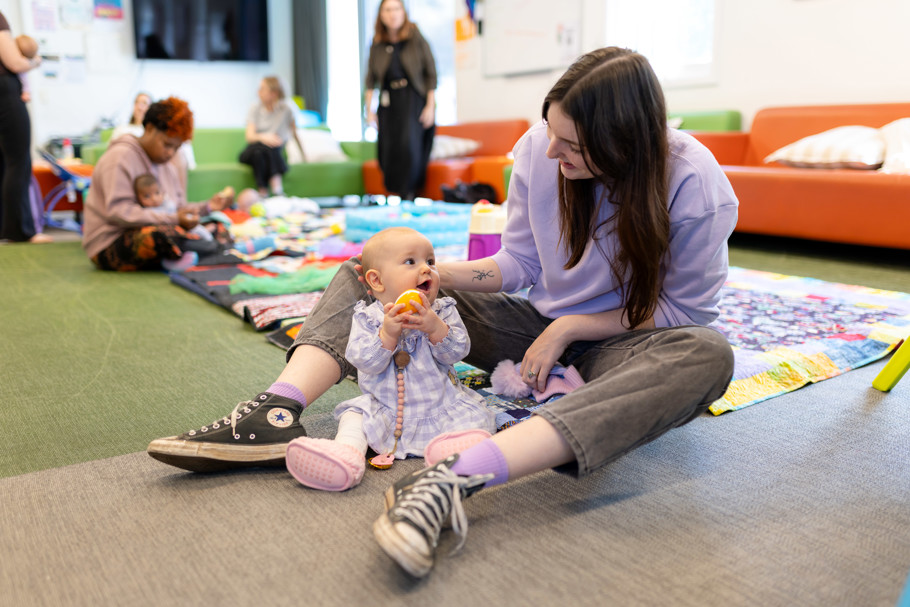
Connecting Strengths and Services
Parents often tell us they are navigating multiple pressures at once while trying to create stability and opportunity for their children.
Housing instability can affect health and wellbeing. Trauma can affect relationships, learning and participation. Domestic and family violence can impact every member of a family in different ways.
For women, we offer access to healthcare, parenting support, housing assistance and community connection. For children, we provide developmentally appropriate support that responds to their unique needs, strengths and experiences. For families, it means services working together rather than expecting people to navigate complex systems alone.
The Hawthorne Hub offers age-appropriate responses for women, infants, children, young people and families, because each stage of life presents different opportunities and challenges. From pregnancy and the early years through to adolescence, our support is tailored to developmental needs while remaining connected through a shared focus on family wellbeing.
The Hub offers core services and connections to other Micah Projects teams and partner organisations to ensure families have access to coordinated wrap-around support, referral pathways, information and advice.
These core services are:
-
Young Mothers for Young Women (YMYW) – multidisciplinary teams providing targeted family support, group programs and peer support for young women and their children.
-
Treehouse Magic Centre Early Years Program – an integrated multidisciplinary service providing trauma-informed, child-centred early years programs for children aged 0–5, the formative early years when children experience rapid and significant brain development that impacts on their social, emotional, cognitive and physical growth.
-
Children and Young People – individual support and group work for children, young people and protective primary caregivers to heal from the impacts of domestic and family violence.
-
Family Pathways – holistic support for young men aged 12–17 and their families through individual and group work aimed at reducing young men's use of violence towards female caregivers.
-
Family Connections – intensive support for families with children under 17 to build capacity, harness strengths and keep children safe and families functioning.
-
Healthy and Safe Start – integrated responses for vulnerable pregnant women and their families, including support for domestic and family violence, homelessness, housing and family wellbeing.
Bringing services together helps reduce the burden on families of navigating multiple challenges and systems, while creating a chance for earlier intervention, stronger collaboration between practitioners and more coordinated support for parents and children.
Underpinning the Hub's approach is The Nest Wellbeing Framework, an Australian evidence-based reference that highlights the importance of supporting multiple aspects of wellbeing, including health, learning, participation, identity and culture, material basics, and feeling valued, safe and loved.
These principles align closely with what families tell us they need, and what decades of practice have shown us: integrated, wrap-around support helps create lasting change.
What Makes the Hawthorne Hub Different?
The Hawthorne Hub is built on what we have learned from decades of working alongside women, children and families.
We see parents as their children's first teachers and support them to build their capacity, strengthen relationships and advocate for their families.
We focus on both parents and children together and separately through two-generation approaches that understand the wellbeing of each family member is interconnected.
Because the first 2000 days of a child's life are key for healthy development, we place a strong emphasis on children's wellbeing and early intervention, helping families identify concerns early and access specialist support.
We combine safe, welcoming community hubs with outreach and home visiting, seeing that flexible support is often essential for families facing complex challenges.
Our work is trauma-informed and responsive, recognising that many women and children have experienced adversity that can span generations.
We know that secure housing creates the foundation for safety, wellbeing and participation, which is why we continue to work with partners and stakeholders to support families experiencing or at risk of homelessness.
Stronger Through Partnerships
The Hawthorne Hub is strengthened by partnerships with government, community organisations, health services, researchers and philanthropic supporters.
This includes partnerships with Children's Health Queensland, the University of Queensland School of Social Work and Midwifery, Queensland Department of Families, Seniors, Disability Services and Child Safety, the Paul Ramsay Foundation, Hand Heart Pocket and the Ningana Trust.
Together, we are helping create opportunities for women, children and families to heal, recover and thrive.
Each year, hundreds of women, children and family members access support through the Hub. Working alongside these families we see that, when communities, families and services work together, stronger futures become possible.
Keep reading
-
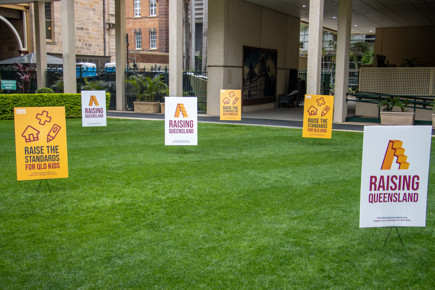
Justice starts close to home: Anti-Poverty Week 2026 in Brisbane News
This Anti-Poverty Week (11 to 17 October), we're asking Brisbane to take a closer look at who is impacted by poverty in our community and what evidence says about why.
Housing and Homelessness ServicesSystems Leadership and AdvocacyWomen, Children and Families -
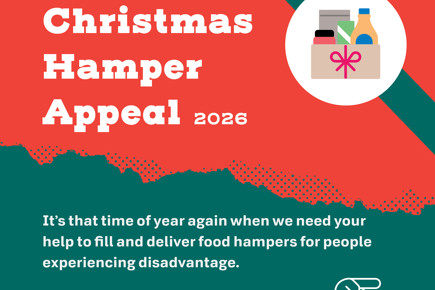
2026 Christmas Hamper Appeal Donations Open News
A Christmas hamper is more than a meal. It is a reminder that someone cares. Donate towards the cost of a Christmas hamper and help bring care, comfort and a little joy this Christmas.
Women, Children and FamiliesSupportive HousingLotus ServicesHousing and Homelessness ServicesSocial Enterprise and Community ConnectionDomestic and Family Violence Services -
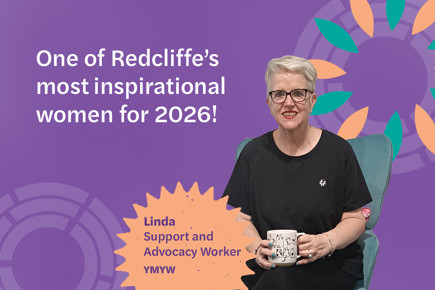
Linda’s Dedication to Support Work News
Support and Advocacy Worker Linda recognised as one of Redcliffe’s Most Inspirational Women for 2026.
Wellspring ServicesWomen, Children and Families -
Inside TreeHouse Magic News
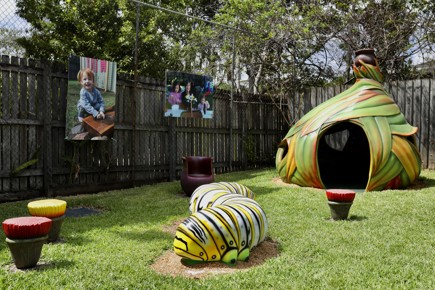
Walk through the doors of TreeHouse Magic Centre and you'll find a place designed for young children and their parents together, using play to support early learning and family wellbeing. Offering more than most playgroups or childcare centres, this early learning program at the Wellspring Children and Families Hub in Hawthorne recognises that lasting change happens when the whole family feels connected, healthy and safe.
Women, Children and FamiliesWellspring Services