


From the rising cost of living and a worsening housing crisis to the impacts of inter-generational instability, we are seeing families across Brisbane facing increasing pressure. Many are navigating these challenges during pregnancy or in the earliest years of their children’s lives, when stress has the greatest impact.
Research from the First 2000 Days shows that early experiences shape lifelong health, learning and wellbeing. When families are overwhelmed by instability or unsafe environments, children feel the impact.
This Families Week, we’re reflecting on what we’ve learned and sharing what the evidence tells us about helping families move from crisis to stability.
Lesson 1: Trusted connections make the biggest difference
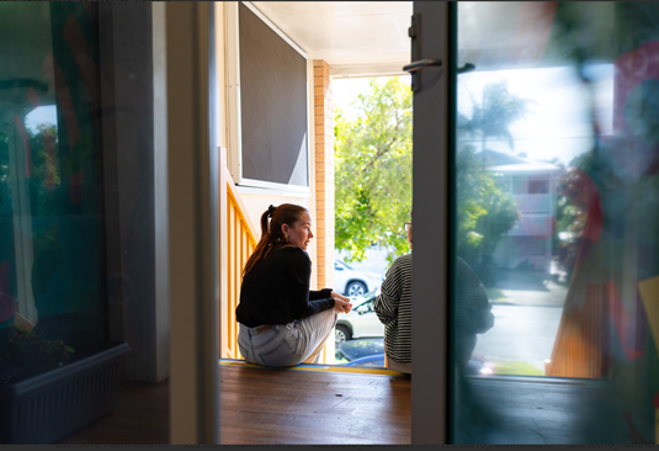
Across every program, families tell us the same thing: having someone they trust makes a big difference when navigating a crisis. That’s why we aim to be someone who listens, shows up, and walks alongside people, without judgement.
The First 2000 Days research reinforces this: responsive, nurturing relationships buffer stress, support healthy brain development, and help parents feel confident and capable. Trusted connections are the foundation for safety, healing and change.
Proven Impact
At our Wellspring Hubs, families have a welcoming place to build trusted relationships with practitioners who know them.
Our Family Connections program provides tailored, in‑home early intervention to reduce parental stressors and strengthen family functioning. Families report feeling more confident, less isolated and better able to meet their children’s needs when they have a practitioner who listens and walks alongside them. In 2024-25, this pilot program supported 68 families across Brisbane and Caboolture.
Our integrated DFV support programs also shows that child‑focused, trauma‑informed support helps children feel safer and more connected after experiencing violence. 132 children and young people were supported by our Wellspring DFV programs in 2024-25.
Lesson 2: Supporting parents and children together leads to better outcomes
Children thrive when their parents are supported, and parents thrive when they feel safe, connected and confident. This is the essence of a two‑generation approach, which focuses on strengthening the wellbeing of both parent and child at the same time.
The First 2000 Days evidence is clear: when parents have stability, emotional support and access to services, children benefit immediately and over the long term.
Proven Impact
Through Young Mothers for Young Women (YMYW), young parents receive support through pregnancy, birth and early parenting. In 2024–25, the program supported more than 250 young mothers, improving maternal wellbeing, strengthening attachment, and increasing access to health care, education and community connection — all critical in the earliest years of a child’s life.
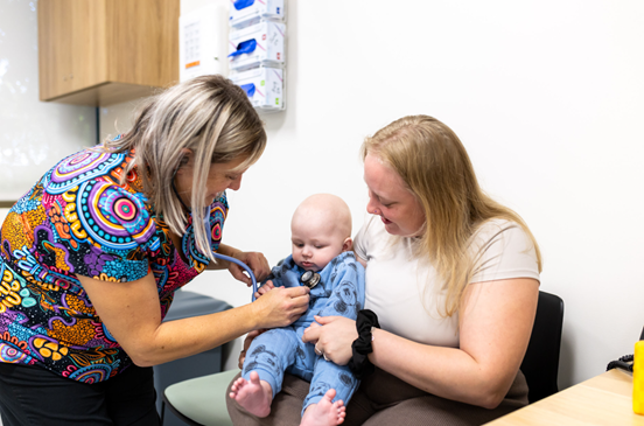
In 2024–25, our Healthy and Safe Start program supported more than 151 pregnant women and families, offering developmental checks, warm referrals, home visiting and practical support. This two‑generation approach ensures both parent and baby receive coordinated support during the most critical developmental period.
Lesson 3: Housing is the foundation for family wellbeing
A safe, stable home is the single most important factor in reducing stress and supporting children’s development. Without housing, families cannot focus on safety, health, education or connection.
The First 2000 Days research shows that unstable or unsafe environments create toxic stress that disrupts development. In contrast, we’ve seen that stable housing provides the conditions for families to rebuild, recover and plan for the future.
Proven Impact
Through Keeping Families Together (KFT) and our homelessness and DFV responses, families are supported to secure and sustain housing. In 2024-25, 21 families, with 24 adults and 49 children (under 18) were supported to sustain tenancies and prevent the cycle of homelessness.
Our family support and child safety responses show that when families have safe housing and consistent, relationship‑based support, child safety concerns reduce and parents are better able to meet their children’s needs. Our Child Safety Inquiry Submission highlighted that stable housing is one of the strongest protective factors for keeping families together, reducing system involvement, and supporting children to remain safely at home.
Let’s keep creating positive change for families
Learn more: You can read more about the outcomes we’re achieving across Brisbane in our 2024–25 Impact Report.
Donate for families: If you’d like to support families directly, please consider a contribution towards family housing essentials that make new housing comfortable and functional for families who are starting again.
Help set families up in supportive housing
Donate nowKeep reading
-
Justice starts close to home: Anti-Poverty Week 2026 in Brisbane News
This Anti-Poverty Week (11 to 17 October), we're asking Brisbane to take a closer look at who is impacted by poverty in our community and what evidence says about why.
Housing and Homelessness ServicesSystems Leadership and AdvocacyWomen, Children and Families -
2026 Christmas Hamper Appeal Donations Open News
A Christmas hamper is more than a meal. It is a reminder that someone cares. Donate towards the cost of a Christmas hamper and help bring care, comfort and a little joy this Christmas.
Women, Children and FamiliesSupportive HousingLotus ServicesHousing and Homelessness ServicesSocial Enterprise and Community ConnectionDomestic and Family Violence Services -
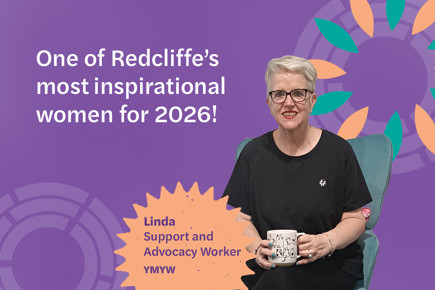
Linda’s Dedication to Support Work News
Support and Advocacy Worker Linda recognised as one of Redcliffe’s Most Inspirational Women for 2026.
Wellspring ServicesWomen, Children and Families -
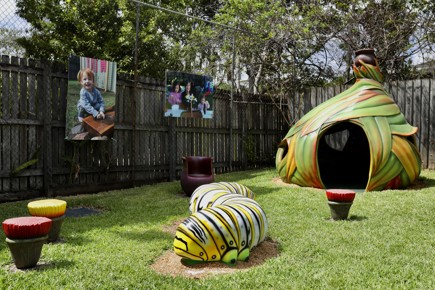
Inside TreeHouse Magic News
Walk through the doors of TreeHouse Magic Centre and you'll find a place designed for young children and their parents together, using play to support early learning and family wellbeing. Offering more than most playgroups or childcare centres, this early learning program at the Wellspring Children and Families Hub in Hawthorne recognises that lasting change happens when the whole family feels connected, healthy and safe.
Women, Children and FamiliesWellspring Services