

This month is a time to raise awareness of domestic and family violence (DFV) and coercive control, and to strengthen our shared commitment to prevention. Across the sector and the wider community, many events and activities take place, all focused on the same goal: building safety, respect, and understanding. Together, we stand united in the prevention of domestic and family violence, sharing this message throughout May and beyond.
DFV isn’t only physical violence. It can include emotional abuse, coercive control, financial control, isolation, stalking, technology-facilitated abuse, and more. Learning the different forms helps you recognise situations that might otherwise be missed or minimised.
There are small, practical things we can all do to help prevent domestic and family violence in our communities, they include:
Listening deeply
One of the most important things is to believe people when they share their experiences. Let your people know that you are there for them if they need someone. It’s less important you know what to say, than it is to provide a safe place to talk. Connecting someone with support services can also help them make informed choices about what’s right for them, so they don’t feel alone or unheard.
Understanding coercive control
Coercive control is often the underlying pattern in abusive relationships. It can involve ongoing behaviours like monitoring, intimidation, restriction, and manipulation. Many resources explain how it works and why it can be so hard for people to leave unsafe situations.
Listening to survivor experiences
Reading, listening to, or hearing from survivors (where they choose to share) can deepen understanding in a way facts alone can’t. It helps shift thinking away from stereotypes and towards real-life complexity.
Challenging common myths
For example:
“Why don’t they just leave?” overlooks safety risks and control dynamics.
“It only happens in certain communities” is false - DFV can affect anyone.
“It’s a private issue” ignores its impact on families and society.
Learn safe ways to respond
You don’t need perfect words, just supportive ones. Focus on:
- believing and validating
- listening without judgement
- not pushing for decisions
- offering to help connect them to services when they’re ready.
Getting to know local support services
Familiarise yourself with services in your area so you can share accurate information if someone needs it. Knowing where to turn can make a real difference in a moment of crisis.
Micah Projects’ Brisbane Domestic Violence Service: Domestic & Family Violence Services | Micah Projects
Domestic Violence Action Centre: Information about domestic and family violence - Domestic Violence Action Centre
DVConnect: Supporting someone you know - DVConnect
Our Watch: Our Watch | Respectful relationships education
Reflecting on your own beliefs and language
We all absorb social attitudes about relationships, gender, and power. Regularly reflecting on these helps reduce judgement and increases empathy and awareness.
At Micah Projects, we’re supporting women, children, and families through connected services
Brisbane Domestic Violence Service (BDVS) improves support for women and families by working directly with local family services, policy, and court. With other community organisations and a network of specialist organisations, they’re supporting broader reforms, improving support and making it easier for people to get the help they need.
Nurse-led support by Clinical nurses support for women who have experience DFV through our Inclusive Health Partnerships.
Family Pathways Program providing short-term holistic support to families to reduce a young male’s use of adolescent-to-parent violence towards their female protective caregiver in the home.
Child and Youth Program promoting the safety and wellbeing of children, and caregivers who have experienced domestic and family violence by Providing child-focused, trauma-informed support.
Healthy and Safe Start – supporting pregnant and parenting women experiencing DFV and homelessness to safety, stability, and recovery.
Brisbane Housing Connectors – providing planned support and advocacy to help women access and sustain housing safely as they heal and recover from DFV.
Safer Liver Mobile Services – delivering 24/7 support through crisis accommodation and housing pathways in collaboration with DVConnect, Queensland Police Service, and hospitals for women and family members experiencing DFV.
Safer and Accountable Men program provides an opportunity to reflect on beliefs, attitudes, values, and choices leading to using violence, whilst offering victims-survivors an opportunity for support and safety.
Lotus Place – recognises that many people who were in institutional and out-of-home care children, experienced past abuse with ongoing impacts of trauma over a lifetime. Lotus Place provides a safe place to access peer and support services in Brisbane, Rockhampton and Townsville.
Keep reading
-

Justice starts close to home: Anti-Poverty Week 2026 in Brisbane News
This Anti-Poverty Week (11 to 17 October), we're asking Brisbane to take a closer look at who is impacted by poverty in our community and what evidence says about why.
Housing and Homelessness ServicesSystems Leadership and AdvocacyWomen, Children and Families -
2026 Christmas Hamper Appeal Donations Open News
A Christmas hamper is more than a meal. It is a reminder that someone cares. Donate towards the cost of a Christmas hamper and help bring care, comfort and a little joy this Christmas.
Women, Children and FamiliesSupportive HousingLotus ServicesHousing and Homelessness ServicesSocial Enterprise and Community ConnectionDomestic and Family Violence Services -

New Health and Housing Hub is coming to South Brisbane News
We're proud to announce plans for a new Health and Housing Hub at 6 Cordelia Street, South Brisbane , as made possible through funding by the Australian Government Department of Health, Disability and Ageing, along with a generous grant from The Ellen Whitty Trust. The Hub will bring together healthcare, housing, social support, wellbeing services, training and research into one welcoming community space for people experiencing hardship or challenges accessing the care that they need.
Housing and Homelessness ServicesInclusive Health Partnerships -
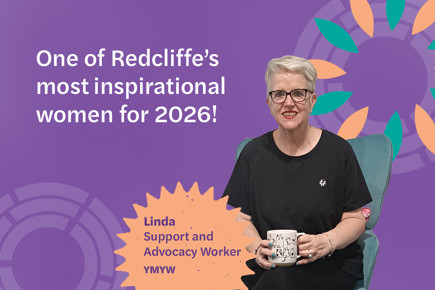
Linda’s Dedication to Support Work News
Support and Advocacy Worker Linda recognised as one of Redcliffe’s Most Inspirational Women for 2026.
Wellspring ServicesWomen, Children and Families