

Micah Projects’ Homeless to Home Healthcare Network hosted a Brisbane AOD/Housing Online Learning Forum to address this challenge: building a shared, practical understanding of how these systems work together in real life.
Why this forum matters
For frontline workers and service providers, navigating the intersection of AOD, health, and housing systems can be complex. While each system plays a critical role, gaps in coordination can make it harder for people to access the right support at the right time.
This forum focused on bridging those gaps by:
- mapping real-world service pathways
- clarifying roles and responsibilities across sectors
- improving referral processes and coordination.
Key areas of focus
The forum explored how different parts of the system respond to AOD use and housing instability, including:
- Health responses to AOD use
Participants gained insight into health-led approaches such as triage, counselling, dual diagnosis services, and both hospital-based and community treatment options.
- AOD harm reduction and treatment pathways
Discussions covered the full spectrum of AOD supports, from peer-based outreach and community programs to withdrawal management, detox, and residential rehabilitation.
- Housing and homelessness responses
The forum unpacked housing pathways, including crisis accommodation, tenancy sustainment, supportive housing, and access to community and government housing.
- System integration in practice
Through service presentations and lived experience insights, attendees explored how these systems interact on the ground, and where improvements are needed.
Roles, eligibility, and referrals
A key outcome was greater clarity around who does what, who is eligible for which services, and how to make effective referrals across systems.
A collaborative effort
Representatives from across the sector delivered concise, practical overviews of their roles, helping to build a clearer picture of the broader service landscape. These included:
- AOD helplines and triage services
- community-based treatment and outreach providers
- withdrawal, detox, and residential rehabilitation services
- housing and specialist homelessness services
- community housing organisations.
Presenting organisations included:
- ADIS
- Communify
- QuIHN
- Metro North Health
- Metro South Health
- Lives Lived Well
- The Salvation Army
- St Vincent de Paul Society
- Department of Housing and Public Works
- Mission Australia
- Bric Housing
- Brisbane Common Ground
- Micah Projects’ Sustaining Tenancy Team and The Homelessness and Housing Hub
Strong engagement across Brisbane
The forum saw strong participation from across Greater Brisbane and surrounding areas, bringing together local service providers, state government representatives, and health services.
- 110 people attended the session live
- 53 unique organisations represented
This level of engagement reflects a clear and growing appetite for stronger collaboration across the health, AOD, and housing sectors.
Working to strengthen Queensland’s housing system
The Brisbane AOD/Housing Online Learning Forum forms part of a broader initiative funded by the Queensland Mental Health Commission. Micah Projects is one of three organisations funded through the AOD Responses in Housing and Homelessness Settings Grants to deliver initiatives over 18 months building the capability of housing and homelessness services to respond to and support Queenslanders experiencing AOD related concerns.
Looking ahead
The Brisbane AOD/Housing Online Learning Forum demonstrated the value of creating shared spaces for learning and connection. By improving understanding across systems, we can better support people experiencing homelessness and AOD challenges - ensuring services feel coordinated, accessible, and responsive.
Continued collaboration will be key to building a more integrated system that meets people where they are and supports long-term stability.
Find out more about Micah Projects work:
Inclusive Health Partnerships | Micah Projects
Micah Projects Impact Report 2024-25 | Micah Projects
Keep reading
-
2026 Christmas Hamper Appeal Donations Open News
A Christmas hamper is more than a meal. It is a reminder that someone cares. Donate towards the cost of a Christmas hamper and help bring care, comfort and a little joy this Christmas.
Women, Children and FamiliesSupportive HousingLotus ServicesHousing and Homelessness ServicesSocial Enterprise and Community ConnectionDomestic and Family Violence Services -
New Health and Housing Hub is coming to South Brisbane News
We're proud to announce plans for a new Health and Housing Hub at 6 Cordelia Street, South Brisbane , as made possible through funding by the Australian Government Department of Health, Disability and Ageing, along with a generous grant from The Ellen Whitty Trust. The Hub will bring together healthcare, housing, social support, wellbeing services, training and research into one welcoming community space for people experiencing hardship or challenges accessing the care that they need.
Housing and Homelessness ServicesInclusive Health Partnerships -
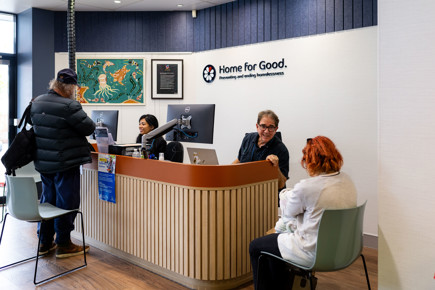
What We've Learned About Ending Homelessness News
At Micah Projects, we know that ending homelessness isn't about one service or one solution. It takes housing, healthcare, community, evidence, and partnerships working together to help people move from crisis to stability and then thrive. For more than 30 years, we've worked alongside people experiencing homelessness or housing insecurity across Brisbane. These are some of the ideas that continue to guide our work, and the evidence that spurs us forward.
Housing and Homelessness ServicesSupportive HousingSystems Leadership and AdvocacyInclusive Health Partnerships -

NAIDOC Week - Celebrating 50 Years of Deadly, 5 - 12 July News
National NAIDOC Week celebrations are held across Australia in the first week of July each year (Sunday to Sunday), to celebrate and recognise the history, culture and achievements of Aboriginal and Torres Strait Islander peoples.
Domestic and Family Violence ServicesSocial Enterprise and Community ConnectionHousing and Homelessness ServicesInclusive Health PartnershipsLotus ServicesSupportive HousingSystems Leadership and AdvocacyWellspring ServicesWomen, Children and FamiliesWomen and Girls Health Hub