

The Family Connections Model: An Australian Pilot, Final Project Report, an evaluation by The University of Queensland (UQ), found evidence of strengthened family capacity to keep children safe and well, along with valuable insights to shape future family support in Australia.
The 18-month pilot was funded by the Queensland Government and delivered by Micah Projects in partnership with UQ across Brisbane and Caboolture. It has now moved to a two-year Social Service Contract, with UQ following the program over time, giving more families the chance to benefit and building the evidence of what works.
The pilot at a glance
75 families and 253 people, including 158 children and young people
21 families included at least one Aboriginal and/or Torres Strait Islander family member
About 2 in 3 families were led by single mothers
Key figures
75
Families
253
people

158
Children
What is the Family Connections model?
Family Connections was developed in the United States in 1996 and refined through decades of practice, research and evaluation. It is designed for families experiencing socioeconomic disadvantage and multiple challenges, and it supports families at different stages of child protection involvement, from early intervention through to family reunification.
In this pilot, practitioners worked alongside families in their own homes and communities, usually over 3 to 9 months. Our team worked to:
meet basic needs first, from housing support to everyday essentials
respond in times of crisis
advocate for families with the services and systems around them
provide therapeutic support and connected families with essential services and resources
help families set their own goals and build on their strengths
build trust with families who may be wary of services.
The approach is built on partnership and empowerment, with families shaping the support around what matters to them. This has been shown to build parenting capacity, strengthen family relationships and support lasting change.
What the Australian evaluation found
The University of Queensland research shows promising evidence of strengthened family capacity to keep children safe and well.
Family wellbeing strengthened across all 11 areas measured, with the biggest gains in housing, parent health and family relationships.
Parents reported improved confidence and skills as parents, and better connections to services, family and community
Across families assessed at the start and again at follow-up, results showed an overall pattern of improvement
Investing in staff through regular coaching, supervision and time to reflect was a real strength of the program
Outcomes weren’t the same for every family, especially where children’s emotional wellbeing or family conflict remained significant. That learning helps shape the future of family support services.
Made for Australia
Adapting the model for Queensland brought together the model’s founder, practitioners, researchers, government and community representatives. Key changes included using the Australian Common Assessment Tool and ensuring responsive and appropriate support for First Nations families.
This pilot has already helped to build important evidence on culturally responsive practice for Aboriginal and Torres Strait Islander children and families, which were represented in 21 of families in the pilot program.
By testing and learning from new support models, evidence-informed practice and collaboration, the Family Connections program is helping Micah Projects and its partners to improve connected care for families.
What happens next
Family Connections has moved from a pilot to a two-year Targeted Family Support Contract, and UQ will follow the program over time in a longitudinal study. The report recommends continuing to develop the Australian model, strengthening cultural responsiveness and safety, and building the evidence base.
As well as offering more support for families in our community, the additional evidence can help inform social services, as policy, investment and systems that families interact with.
Notably, Family Connections supports families at different stages of child protection involvement, from early intervention through to family reunification.
A connected network of care
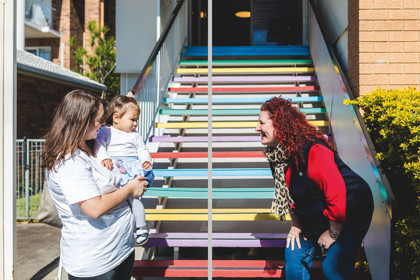
Family Connections is one of five services at the Wellspring Children and Families Hub in Hawthorne, and one in a range of family-focused programs in Caboolture, which are all designed to offer integrated support for families.
This Australian-first addition to our family support services builds on more than 30 years of Micah Projects’ two-generation, trauma-informed work supporting children and parents together. The Family Connections model’s emphasis on partnership, empowerment and relationship-based practice aligns with Micah Projects’ commitment to supporting families experiencing significant adversity.
Thank you
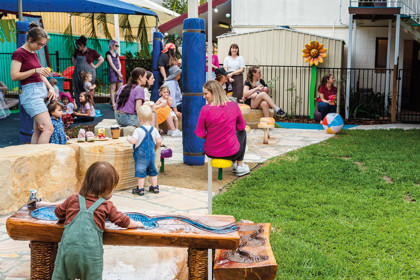
Thank you to the Queensland Government, the UQ research team, our Family Connections practitioners and cultural advisors, our partners, and above all the families who shared their experiences.
Keep reading
-
Micah Projects Survey – Have Your Say! News
Every Micah service and improvement began as a conversation with someone who saw a need. Our Micah Projects Survey – Have Your Say! is open until Monday 30 November, and we’d like to hear from the people, organisations and communities who work alongside us.
Domestic and Family Violence ServicesSocial Enterprise and Community ConnectionHousing and Homelessness ServicesInclusive Health PartnershipsLotus ServicesSupportive HousingSystems Leadership and AdvocacyWellspring ServicesWomen, Children and FamiliesWomen and Girls Health Hub -
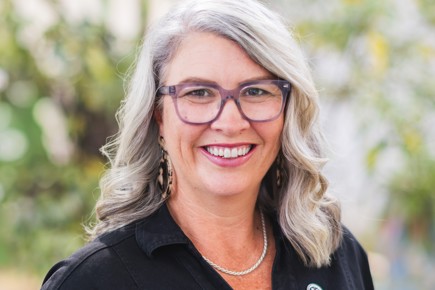
Permanent CEO Announced to Deliver Micah Projects Vision News
Micah Projects Board announces permanent CEO, Bridget Kinch, to deliver a strong vision and continue values-based leadership and commitment to social justice.
Domestic and Family Violence ServicesSocial Enterprise and Community ConnectionHousing and Homelessness ServicesInclusive Health PartnershipsLotus ServicesSupportive HousingSystems Leadership and AdvocacyWellspring ServicesWomen, Children and FamiliesWomen and Girls Health Hub -
Justice starts close to home: Anti-Poverty Week 2026 in Brisbane News
This Anti-Poverty Week (11 to 17 October), we're asking Brisbane to take a closer look at who is impacted by poverty in our community and what evidence says about why.
Housing and Homelessness ServicesSystems Leadership and AdvocacyWomen, Children and Families -
Support our 2026 Christmas Hamper Appeal News
A Christmas hamper is more than a meal. It is a reminder that someone cares. Donate towards the cost of a Christmas hamper and help bring care, comfort and a little joy this Christmas.
Women, Children and FamiliesSupportive HousingLotus ServicesHousing and Homelessness ServicesSocial Enterprise and Community ConnectionDomestic and Family Violence Services