

At Micah Projects, we know that ending homelessness isn't about one service or one solution. It takes housing, healthcare, community, evidence, and partnerships working together to help people move from crisis to stability and then thrive.
For more than 30 years, we've worked alongside people experiencing homelessness or housing insecurity across Brisbane. These are some of the ideas that continue to guide our work, and the evidence that spurs us forward.
Every person needs a safe place to call home
A home provides far more than shelter. It's the foundation for safety, health, wellbeing, connection and opportunity. Without a stable home, every other challenge becomes harder to navigate. Having a home changes everything; it's a foundation for safety, health and wellbeing, social connection, job opportunities, access to services and stable family life.
Homelessness doesn't have one cause
People experience homelessness for many different reasons. Domestic and family violence, rising housing costs, financial hardship, health issues and a shortage of affordable housing can all contribute. There is rarely one single event that causes homelessness, and there is rarely one simple solution.
That's why our response is flexible, person-centred and built around each person's circumstances.
Housing is the foundation, not a reward
Housing First recognises that people don't need to solve every challenge before they have a home. A safe, stable home creates the foundation people need to focus on a better future.
It's a practical, evidence-based approach that recognises housing as the starting point for recovery, not the end point.
Every person's journey is different
No two experiences of homelessness are the same. Some people need short-term assistance after an unexpected crisis. Others need longer-term support because of complex health, disability or trauma-related challenges.
Our role is to walk alongside people, while they heal, recover and rebuild, connecting them with the support that's right for them when they need it. We believe in dignity, inclusion and knowing people by name.
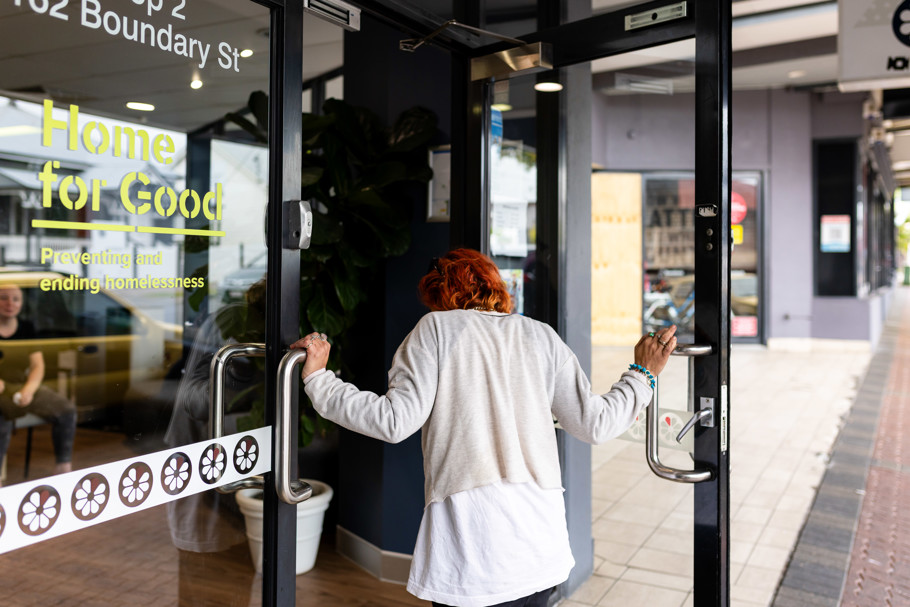
Health and housing are deeply connected
Without stable housing, maintaining physical and mental health becomes significantly more difficult. Experiencing homelessness also makes it harder to rest safely, recover from illness, store medications correctly, and get to medical appointments. Poor health can also make it harder to secure and sustain housing.
Bringing together housing, healthcare and community support helps people stay well, maintain tenancies and build stronger futures.
Crisis support matters on the road to stability
Crisis accommodation provides immediate safety when someone has nowhere safe to stay. It's a necessary temporary roof while we work towards finding a safe and stable home.
Last year, Micah Projects brokered more than 78,000 nights of crisis accommodation while continuing to help people move into long-term housing.
Supportive housing shows what's possible
Supportive housing combines permanent, affordable housing with on-site health, wellbeing and community support.
It's one of the strongest examples of Housing First in practice because it recognises that stable housing and coordinated support work together to help people sustain their tenancy and thrive.
Micah Projects partnered with Common Ground Queensland to establish Brisbane Common Ground in South Brisbane in 2012. Together with our partners, we are opening a new families supportive housing site in South Brisbane this year.
Communities are part of the solution
Ending homelessness takes a community effort that reaches beyond any one organisation. We work alongside government, housing providers, healthcare organisations, community partners and people with lived experience because lasting change happens when communities work together.
Collective action helps ensure homelessness becomes rare, brief and non-recurring.
Evidence matters
Housing First works. We've seen this approach have an incredible impact in communities across the globe. Research, local data and lived experience continue to show that stable housing improves health, strengthens communities and reduces chronic homelessness.
We use evidence to guide our practice, measure our impact and improve the support we provide.
Ending homelessness is possible
Behind every statistic is a person who has faced complex and destabilising challenges and then reached out for support as they solve them.
We've seen what's possible when housing, health and support come together. People can build on their strengths when they have stronger ground.
Looking for more information?
Whether you're looking for support, want to understand homelessness in Brisbane, or would like to explore the evidence behind Housing First, these resources are a great place to start.
If you need support
-
Housing & Homelessness Services – Information about the Home for Good Hub, Street to Home outreach, crisis accommodation pathways and support available across Brisbane.
-
Supportive Housing – Learn how permanent housing combined with health and community support helps people sustain their tenancy.
Learn more about homelessness
-
Home for Good – 2024–25 Impact Report – Impact, outcomes and stories from people supported by Micah Projects.
-
Brisbane Zero – Learn about Brisbane's collaborative approach to ending homelessness and see the latest trends and state of local homelessness using the dashboard
-
Housing First factsheet | Micah Projects – A quick guide to the principles of the Housing First Approach used by Micah Projects and others around the world.
-
New Supportive Housing Site for Families Opens in South Brisbane – Read more about this exciting new location for local families who are facing homelessness and complex challenges.
-
What does it take and mean to sustain a tenancy and prevent homelessness? | Micah Projects – Read this empirical local study that investigated work that supports people at risk of losing their tenancy to sustain housing and avoid homelessness.
Keep reading
-
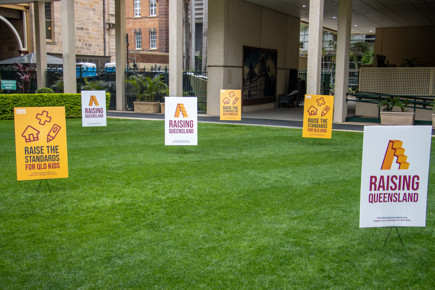
Justice starts close to home: Anti-Poverty Week 2026 in Brisbane News
This Anti-Poverty Week (11 to 17 October), we're asking Brisbane to take a closer look at who is impacted by poverty in our community and what evidence says about why.
Housing and Homelessness ServicesSystems Leadership and AdvocacyWomen, Children and Families -
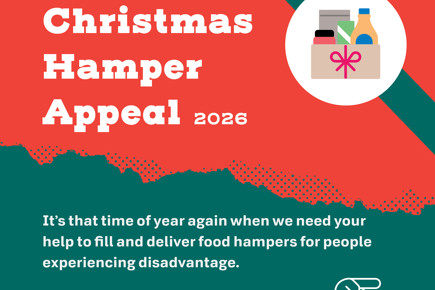
2026 Christmas Hamper Appeal Donations Open News
A Christmas hamper is more than a meal. It is a reminder that someone cares. Donate towards the cost of a Christmas hamper and help bring care, comfort and a little joy this Christmas.
Women, Children and FamiliesSupportive HousingLotus ServicesHousing and Homelessness ServicesSocial Enterprise and Community ConnectionDomestic and Family Violence Services -
New Health and Housing Hub is coming to South Brisbane News
We're proud to announce plans for a new Health and Housing Hub at 6 Cordelia Street, South Brisbane , as made possible through funding by the Australian Government Department of Health, Disability and Ageing, along with a generous grant from The Ellen Whitty Trust. The Hub will bring together healthcare, housing, social support, wellbeing services, training and research into one welcoming community space for people experiencing hardship or challenges accessing the care that they need.
Housing and Homelessness ServicesInclusive Health Partnerships -

NAIDOC Week - Celebrating 50 Years of Deadly, 5 - 12 July News
National NAIDOC Week celebrations are held across Australia in the first week of July each year (Sunday to Sunday), to celebrate and recognise the history, culture and achievements of Aboriginal and Torres Strait Islander peoples.
Domestic and Family Violence ServicesSocial Enterprise and Community ConnectionHousing and Homelessness ServicesInclusive Health PartnershipsLotus ServicesSupportive HousingSystems Leadership and AdvocacyWellspring ServicesWomen, Children and FamiliesWomen and Girls Health Hub