

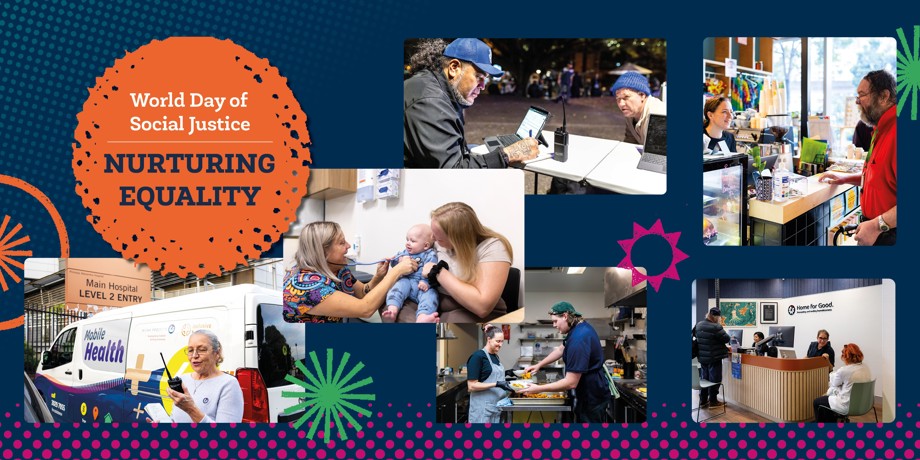
This year’s theme, “Renewed Commitment to Social Development and Social Justice,” feels especially relevant in the face of the personal and structural inequality that is growing in our community and our country.
Inequality isn’t something we read about in reports. We see it in our suburbs. In families living in motels. In people navigating housing stress. In women rebuilding their lives after violence. In young people searching for safety and stability.
After 30 years working alongside Brisbane communities, one thing is clear: social justice is not abstract. It is deeply personal. It is about people.
It’s a child needing a secure place to sleep and grow.
It’s a family trying to find and hold onto housing.
It’s someone seeking dignity, connection and a chance to participate fully in society.
And it’s something we build, together.
We know economic growth alone doesn’t guarantee fairness. Prosperity can exist alongside profound disadvantage. The pressures we’re seeing - housing insecurity, rising costs of living, structural inequality - are intensifying. They challenge not only individuals and families, but the strength of our social fabric.
Creating meaningful opportunities for people to feel truly included, valued, and connected helps strengthen the very fabric of our communities. When we nurture spaces where everyone feels they belong, we ease loneliness, soften isolation, and allow genuine connection to establish and grow.
Children exposed to homelessness, domestic and family violence, child protection involvement, and poverty are significantly more likely to experience developmental delay, poor mental health, disrupted education, and ongoing contact with service systems later in life. The right supports can buffer the impacts of trauma and stressors, before families become overwhelmed. The best outcomes occur when support is delivered early and sustained over time.
So, perhaps a question isn’t whether social justice matters. It’s how we advance it.
It involves shaping systems that protect, include and value everyone, particularly those who have been excluded. It means recognising that dignity is foundational and that without equity, opportunity and aspiration remain out of reach.
Governments have an important role through policy, law, and investment. Strong social protections, accessible healthcare, housing pathways, and employment opportunities and rights all matter.
Community matters too.
Progress happens when people advocate, listen, challenge discrimination, amplify marginalised voices, and hold institutions accountable. It happens when services collaborate rather than compete. When lived experience informs policy and when we choose inclusion in everyday decisions.
World Day of Social Justice is not just a date on the calendar. It’s a reminder that justice is an ongoing practice. It’s a shared responsibility and a collective commitment.
Now feels like a time to lean in, not step back. To strengthen the partnerships and create the policies that make dignity real.
We recognise and acknowledge the thousands of people who have dared to be voices for change. Together, we can continue nurturing equality where justice is an everyday experience for everyone.
If you’d like to be part of our work, there are many ways to support Micah Projects and the communities we walk alongside > How you can help | Micah Projects
Keep reading
-
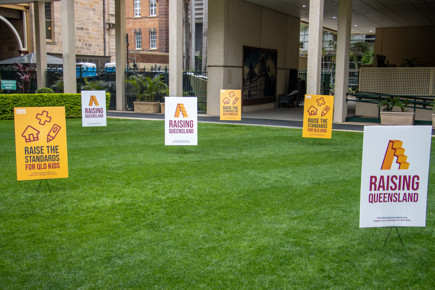
Justice starts close to home: Anti-Poverty Week 2026 in Brisbane News
This Anti-Poverty Week (11 to 17 October), we're asking Brisbane to take a closer look at who is impacted by poverty in our community and what evidence says about why.
Housing and Homelessness ServicesSystems Leadership and AdvocacyWomen, Children and Families -
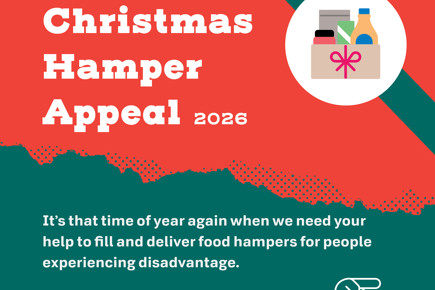
2026 Christmas Hamper Appeal Donations Open News
A Christmas hamper is more than a meal. It is a reminder that someone cares. Donate towards the cost of a Christmas hamper and help bring care, comfort and a little joy this Christmas.
Women, Children and FamiliesSupportive HousingLotus ServicesHousing and Homelessness ServicesSocial Enterprise and Community ConnectionDomestic and Family Violence Services -
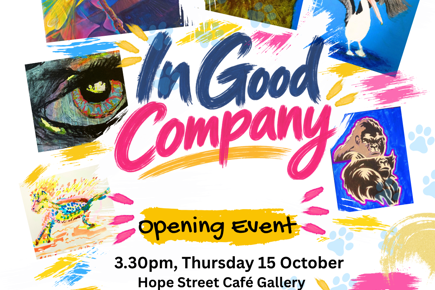
In Good Company Art Exhibition News
On display at Hope Street Café Gallery for Queensland Mental Health Week 2026, this free art exhibition is about connection and belonging.
Social Enterprise and Community Connection -
New Health and Housing Hub is coming to South Brisbane News
We're proud to announce plans for a new Health and Housing Hub at 6 Cordelia Street, South Brisbane , as made possible through funding by the Australian Government Department of Health, Disability and Ageing, along with a generous grant from The Ellen Whitty Trust. The Hub will bring together healthcare, housing, social support, wellbeing services, training and research into one welcoming community space for people experiencing hardship or challenges accessing the care that they need.
Housing and Homelessness ServicesInclusive Health Partnerships