

From 25 November (International Day for the Elimination of Violence Against Women) through to 10 December (Human Rights Day), we reflect on the progress still needed to see women, girls and families are safe in all communities.
No one should have ever have to choose between living in an unsafe home or experience homelessness, but this is the reality for many with domestic and family violence remaining the leading cause of homelessness for Brisbane women and families.
The United Nations' 16 Days of Activism against Gender-Based Violence theme, "Speak Out. Believe Survivors. Demand Justice" highlights the importance of collective community action in driving meaningful change and ending gender-based violence.
To inspire greater community action, Micah Projects’ Brisbane Domestic Violence Service (BDVS) is launching a campaign celebrating the people and organisations whose contributions are helping create safer, more connected communities across Brisbane.
There isn't one way to create change: 16 stories celebrating the people making a difference across Brisbane. 16 days. 16 stories. 16 actions. These stories celebrate the many ways people come together to support our work alongside people experiencing domestic and family violence.
Some have donated or fundraised. Some have volunteered their time, supported our events or helped raise awareness of our services. Others have strengthened partnerships, shared their skills, connected us with their networks or simply shown up when support was needed.
Beyond this campaign, conversations and the challenging of attitudes and behaviours that condone or perpetuate violence must continue, because we all have a role to play in creating a world where everyone feels safe, connected, and supported.
Stories of Change
These stories highlight how together we can all make a real difference.
-
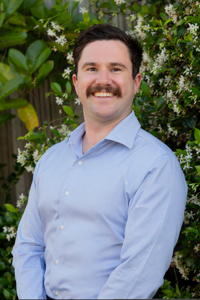
For Daniel Ryder, creating change starts with helping young people recognise what healthy relationships look like, and understand when behaviours presented as love or care begin to limit someone's choices.
As a School-Based Youth Health Nurse, Daniel works alongside state high schools, supporting young people's health and wellbeing through education, health promotion including respectful relationships programs and confidential consultations.
Through programs such as Love Bites™ he creates opportunities for young people to explore the complexities of relationships, including the subtle ways control can be mistaken for care. Just as importantly, having a trusted health professional at school means students have someone they can approach when a conversation prompts them to question something happening in their own lives.
Daniel believes prevention starts early. He sees young people as insightful and eager to learn, and recognises the importance of giving them the knowledge and confidence to make informed choices and seek support.
He also sees an opportunity to challenge expectations around masculinity. By connecting with boys in their everyday environments, encouraging them to support their friends and challenging sexist behaviour when it happens, Daniel promotes a different understanding of strength: one grounded in empathy, accountability and respect.
For Daniel, creating change is about more than having conversations. It is about making sure young people know they can be heard, supported and empowered to make their own choices.
-
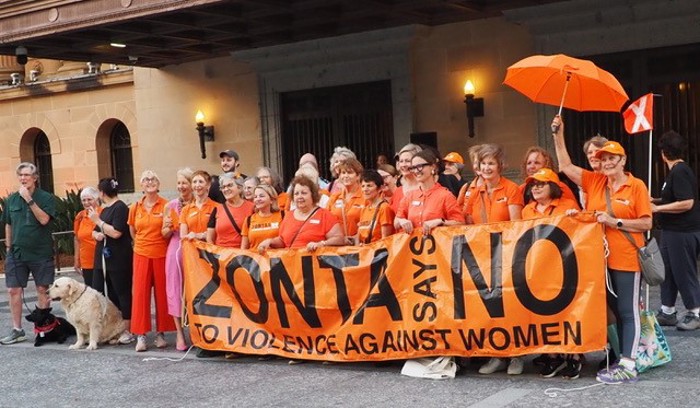
When Jo Diessel joined the Zonta Club of Brisbane East in 2002, she became part of a community committed to advancing the rights of women and girls. Over the years, she has chaired several advocacy initiatives, with a particular focus on domestic and family violence.
In 2012, the Club began raising awareness during the 16 Days of Activism under the banner Zonta Says No to Gender-based Violence. But Jo knew that raising awareness could not be a one-off effort. More needed to be done, and the work would require a sustained commitment from the wider community.
In 2017, working alongside fellow Zontian Ros Kinder, Jo helped develop a strategy to bring together Zonta clubs across Brisbane and surrounding areas. Their aim was to combine efforts, strengthen partnerships and create a louder collective voice. With Brisbane City Council and other organisations, this collaboration grew into a significant annual community initiative.
Each year, the partnership brings people together for a walk marking the beginning of the 16 Days of Activism. The city also turns orange for the occasion, with buildings and bridges illuminated and a large banner displayed on the Story Bridge.
For Jo, one of the greatest lessons has been the power of working together. She believes everyone has a role to play, from individuals and community groups to businesses and governments. Through their partnerships, Zonta has also supported practical initiatives, including women in refuges and training for school-based staff delivering respectful relationships education.
Jo's message to the community is direct: educate yourself, learn to recognise the signs of domestic and family violence, understand how you can help, and take action.
Because lasting change takes more than awareness. It takes people willing to stand together, speak out and keep going.
-
For Josephine Pritchard, the decision to take a stand against domestic and family violence began with a simple desire: to do something to help.
After reading stories about women and girls living under male-dominated and oppressive conditions, she began reflecting on the experiences of women in Australia and the impact of domestic and family violence. Her own experiences had also given her an understanding of how coercion and verbal abuse can affect a person's life.
Through Rotary, Josephine found a platform, guidance and a community ready to turn that desire into action. When she proposed that Mitchelton Rotary take a stand against domestic and family violence, the club gave her its full support.
Their first major initiative was an International Women's Day event in March 2026, bringing together around 50 community members to hear from representatives of Zephyr Education, NAPCAN and Brisbane Domestic Violence Service. The event opened conversations about the realities of domestic and family violence, the support available to families leaving violence and the importance of respectful relationships education.
But the conversations didn't end there.
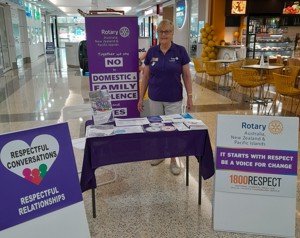
Mitchelton Rotary members began taking their message into everyday community spaces, wearing their purple shirts and sharing information at local cafés and Brookside Shopping Centre.
Their commitment has also extended to prevention education. Together with Caboolture Rotary, Mitchelton Rotary funded the training of 30 Love Bites facilitators, helping equip professionals from different fields to deliver respectful relationships education to young people.
For Josephine, creating change means taking that first step, bringing others along and continuing to find ways to make a difference.
What started as a desire to do something has become a collective effort to raise awareness, encourage respectful relationships and help build a community where violence is challenged, not accepted.
-
For years, the Happy Patchers have been bringing together community members who share a love of quilting and a commitment to helping others.
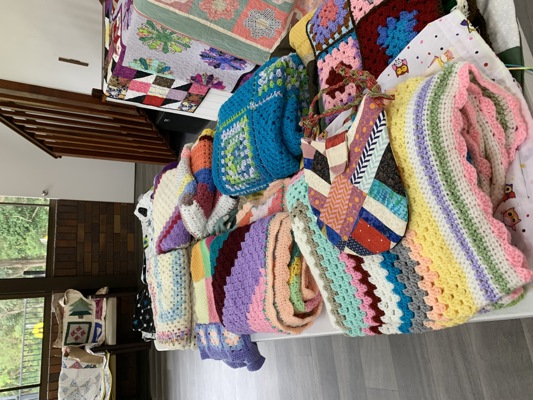
Through their time, energy and creativity, this dedicated group has lovingly made and donated hundreds of handmade quilts to women and children leaving domestic and family violence.
Each quilt represents hours of work, thoughtful craftsmanship and a generous act of giving. Some may even carry the significance of an heirloom, making the decision to gift them all the more meaningful.
For women and children navigating a time of uncertainty and rebuilding, these quilts offer more than warmth and comfort. They are a tangible expression of community care, a reminder that people they may never meet are thinking of them and want them to feel supported.
Through every quilt gifted, the Happy Patchers demonstrate that creating change doesn't always require grand gestures. Sometimes, it begins with a group of people sharing what they love and turning it into something meaningful for someone else.
-
For Carissa, art became more than a creative pursuit. It became a way to work through difficult experiences, rebuild trust in herself and eventually create opportunities for other women to do the same.
After years working as a nurse, Carissa first picked up a paintbrush when she was looking for a way to process her own experiences and support her son through a difficult time. What began as a personal outlet gradually grew into an artistic platform with a wider purpose.
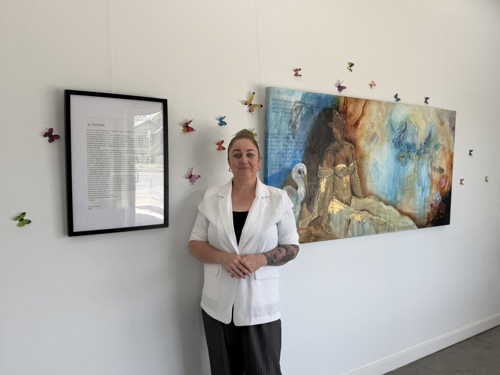
Today, Carissa uses her art and facilitation work to create spaces where women with lived experience of domestic and family violence can explore their creativity, make their own decisions and reconnect with their confidence.
Through workshops with organisations such as Lovewell Foundation, she has seen participants move from uncertainty in front of a blank canvas to trusting their own choices. There is no right or wrong way to create. The canvas is theirs, and they are in charge.
Carissa has also developed her own affirmation cards, which she incorporates into journalling workshops. Drawing on her understanding of the complexities of rebuilding after domestic violence, she wanted to offer something more meaningful than generic messages of positivity.
Alongside her nursing work, Carissa uses her professional networks and art exhibitions to raise awareness, support domestic violence organisations and create conversations that might not otherwise happen.
Her message is clear: understanding domestic violence matters. It is not simply a relationship disagreement. It is about an individual's behaviours and the impact those behaviours have on another person's life. She encourages people to learn more, understand the work of specialist organisations and find ways to support them.
Through art, advocacy and conversation, Carissa wants women to see that it is possible to reclaim their autonomy, trust their own decisions and build a life where they feel happy, healthy and confident in themselves.
-
When Nicolle Edwards founded RizeUp in 2015, she recognised a significant gap in the support available to women and children rebuilding their lives after domestic and family violence.
Finding a safe place to live is essential, but starting again involves much more than having a roof overhead. Furnishing a home, replacing everyday essentials and meeting the needs of children can place enormous financial pressure on families already navigating the impacts of violence.
Through RizeUp, Nicolle has helped build a community-led response that works alongside specialist domestic and family violence services across Australia. From turning empty houses into fully furnished homes to creating opportunities for children and young people and facilitating access to health and wellbeing support, the organisation responds to practical needs that can make a difference during the rebuilding process.
But for Nicolle, the work is not simply about providing things. It is about listening to victim-survivors and respecting their choices. A favourite colour, a treasured possession or the opportunity for a child to continue an activity they love can matter deeply. These details recognise identity, independence and the importance of having a say in one's own life.
Since RizeUp began, the organisation's community has helped support more than 70,000 individuals, including more than 50,000 children and young people.
Nicolle also believes lasting change requires looking beyond the immediate response. Through education, advocacy and community engagement, RizeUp works to challenge attitudes and behaviours that allow violence to continue, strengthen understanding of coercive control and reinforce that responsibility for violence rests with the person choosing to use it.
Nicolle believes there is more we can do to support victim-survivors. She calls for systems that listen to and protect them, pathways to justice that do not create further harm, and communities that hold people who use violence accountable.
For Nicolle, success is not simply about someone leaving violence. It is about ensuring they have the support and resources to move forward safely, independently and on their own terms.
And none of this happens alone. It takes specialist services, volunteers, businesses and ordinary people coming together to make meaningful change.
-
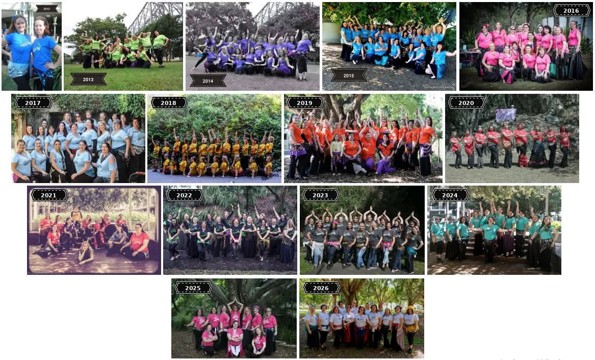
Since 2012, Brisbane Shimmy Mob has brought together belly dancers from across Brisbane, turning their shared passion for dance into an opportunity to raise awareness of domestic and family violence and support those affected by it.
What makes this community special is that it brings together dancers from different schools and backgrounds, setting aside individual affiliations to work towards a shared purpose. Over the years, friendships have grown, connections have endured and generations of dancers have continued to return, with many members involved for more than a decade.
Through performances, fundraising and conversations with the community, the team has supported organisations including DVConnect and Brisbane Domestic Violence Service. Their contribution goes beyond raising funds: they also share information about support services and create opportunities for people to learn more about domestic and family violence.
But the journey has also been one of learning.
When the team first began, its understanding of domestic violence was much narrower. Over time, they have come to recognise that abuse is not always visible. Coercive control, emotional abuse and financial abuse can be difficult to identify, and harmful behaviours can develop gradually.
This understanding has also become personal for the team's leader, who shares that despite years of involvement in awareness activities, she experienced an unhealthy relationship that became abusive. Her experience reinforced the importance of continuing to learn, recognising the signs and listening to perspectives that can help us see what we might not yet recognise ourselves.
Today, Brisbane Shimmy Mob continues to show that creating change doesn't require belonging to a particular organisation or having all the answers. It can start with bringing people together, using what you love to do and creating opportunities for conversations that matter.
Fourteen years on, their message remains simple: everyone has something they can contribute.
-
As a child, Ken Green witnessed his mother experience domestic violence. He remembers leaving home with her and his brother, staying with different family members and living with the uncertainty of what would come next. He also remembers feeling powerless, unable to stop what was happening.
Those experiences have stayed with him.
Today, as part of the on-air team at Rise 96five, Ken uses his voice and the station's platform to support Micah Projects' BDVS Spread the Warmth campaign. Through the campaign, he has helped raise awareness, funds and donations of robes for mothers and their children leaving domestic violence and beginning again.
For Ken, the campaign represents something much bigger than providing warmth. It is about showing mothers that they are not alone, that their community stands with them and that kindness can make a difference during an incredibly difficult time.
Whether through a donated robe, a financial contribution or a handwritten message of encouragement, every gesture sends a message of solidarity.
What once left Ken feeling powerless as a child now informs the way he uses his voice: to help create a community where mothers and their children feel supported, welcomed and reminded that they do not have to face the next chapter alone.

-
What happens when people who have experienced violence are given the opportunity, skills and support to influence the systems around them?
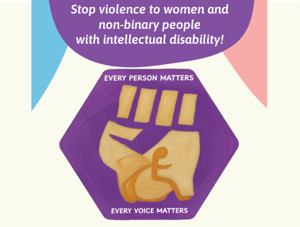
For Gilliam and the team at WWILD Sexual Violence Prevention Association, the Loud and Proud Project set out to help answer that question.
Funded by Brisbane South Primary Health Network, the project worked with victim-survivors of sexual violence and domestic and family violence who have intellectual disability. Its aim was to strengthen their knowledge and skills in systemic advocacy, supporting them to lead action to prevent gendered violence and advocate for better protections and support for survivors.
Building on WWILD's long history of supporting people with intellectual disability to speak up, the project brought together experienced advocates to develop training for others wanting to build their advocacy skills and lead change. Therapeutic groups were also delivered, with a paid lived experience worker co-facilitating the sessions.
For the participants, the project created opportunities to discuss important issues, share ideas and communicate directly with politicians and decision-makers. They also developed posters, information sheets and T-shirts to share their messages with services and the broader community.
For Gilliam, one of the most important lessons was seeing what people can achieve when they have the right opportunities and support. Through storytelling, creative expression and advocacy, participants challenged ableism and sexism, including the ways these intersect to drive violence against people with intellectual disability.
The work does not end with the project. Its resources continue to offer services and the wider community an opportunity to listen, learn and consider what needs to change.
Gilliam's invitation to other organisations is practical: display the posters, request the T-shirts and actively support the advocacy efforts of people with intellectual disability.
Because inclusion means more than making space for people to be heard. It means supporting them to influence the decisions, services and systems that affect their lives.
-
For Jacinta Colley, creating change means bringing people together around a cause that matters.
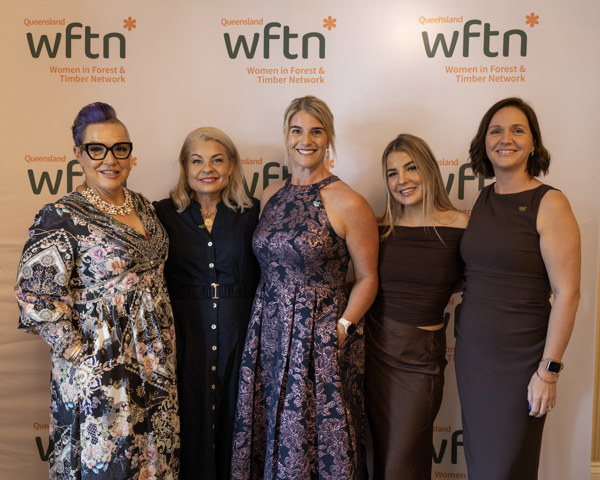
Through her involvement with the Women in Forests & Timber Network (WFTN) Queensland Chapter, Jacinta has helped organise fundraising events that have united the forestry and timber industry in support of women and children affected by domestic and family violence.
Together with sponsors, businesses, volunteers and community members, the network has raised more than $100,000 for organisations including Brisbane Domestic Violence Service, RizeUp and Zephyr Education.
One of the team's most memorable achievements was raising more than $40,000 in a single evening, demonstrating what can happen when an entire industry gets behind a shared purpose.
For Jacinta, the motivation is knowing that behind every statistic is a person and a family whose lives can be supported through practical action. Whether helping provide emergency assistance, furnishing a home or supporting a child's return to school, these contributions can make a meaningful difference during a time of rebuilding.
But something else has grown alongside the fundraising. What began as events to raise money has also created opportunities for conversations about domestic and family violence, respect and the responsibility we all share in building safer communities.
Jacinta believes everyone has something to contribute. Sometimes it starts with a conversation, sometimes with a donation, and sometimes simply by encouraging others to get involved.
Because when people come together with a shared commitment to change, their collective efforts can reach further than they ever could alone.
-
Starting again in a new country can mean leaving behind careers, professional networks and familiar support systems. For migrant women, building a business can be one way to turn their skills, knowledge and ideas into new opportunities.
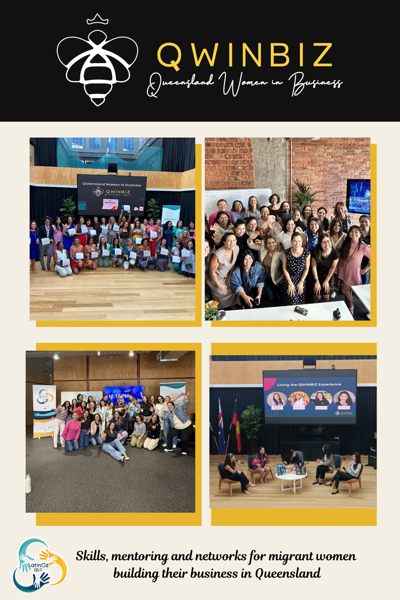
At QWINBIZ, the focus is on helping migrant women across Queensland develop business ideas, build businesses and strengthen their economic independence.
Through practical education, mentoring, networking and peer support, QWINBIZ creates opportunities for women to gain knowledge, share experiences and connect with others. Its work also addresses barriers such as language, cultural differences and limited professional networks, helping women build confidence and pursue their goals.
So far, QWINBIZ has supported more than 100 Spanish-speaking women through its program cohorts. Along the way, women have developed business ideas, taken steps towards their goals and formed friendships, collaborations and professional networks.
For QWINBIZ, entrepreneurship is about more than starting a business. It is also about recognising women's abilities, strengthening their confidence and creating pathways to financial independence.
The organisation believes these opportunities, alongside strong community connections, can help reduce vulnerability and contribute to preventing domestic and family violence.
Its message is that prevention also means creating the conditions for women to make their own choices, access opportunities and shape their futures, regardless of their background or circumstances.
-
Connection brings people together. Generosity reaches further.
At the heart of the Council of Ex-Servicewomen’s Associations Queensland is a commitment to bringing women together, creating opportunities for connection and fostering a sense of belonging among ex-servicewomen, many of whom are seniors.
Through their June High Tea fundraising event, the Council extended that spirit of community beyond its own membership, supporting Brisbane Domestic Violence Service (BDVS).
Their contribution demonstrates how existing community connections can create opportunities to support others. By bringing people together for an event that strengthens social connection, they also helped raise awareness and provide practical support for people experiencing domestic and family violence.
It is a reminder that communities can make a difference in many ways. Sometimes, it starts with creating spaces where people feel connected and valued, and sometimes that connection creates opportunities to extend kindness and support to others.
-
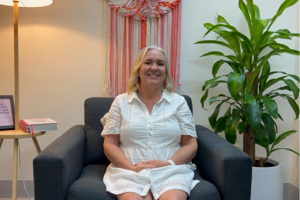
For Janine Rees, creating change means making sure other women don't have to navigate the same barriers she faced.
After 30 years in a relationship involving domestic violence and coercive control, Janine left in 2018. But leaving was not the end of the challenges. She has experienced years of post-separation abuse and systems abuse, navigating a complex web of services and institutions that she felt often failed to recognise or respond to coercive control.
As she began writing about her experiences, other women started reaching out. Their stories were strikingly similar. What she had once thought was an isolated experience, she came to recognise as a wider pattern of women and children being failed by systems that should protect them.
That realisation became a driving force behind her advocacy.
Today, Janine uses her lived experience to challenge victim-blaming, raise awareness of post-separation abuse and advocate for greater accountability and systemic change. Through campaigns including How Dare She and Fix Our Courts, and her involvement in the Family Court Accountability Network, she continues to call for justice systems that listen to victim-survivors and recognise the realities of coercive control.
For Janine, lived experience must be at the centre of the conversation, not on the sidelines.
Her message: change is possible, but it requires people to act, to come together and to listen to those who know where the gaps are.
As she puts it, "We need to be front and centre. We need to be at the table."
-
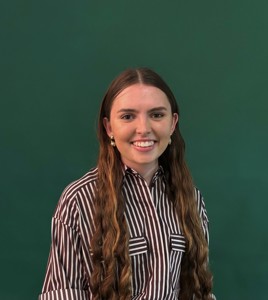
When Ruby founded Kids of Purple, she wanted to address something often overlooked in conversations about domestic and family violence: the experiences of children.
As a young person, trying to understand what was happening at home without having control over those circumstances can be isolating. Ruby understands how important it is for children to have their experiences recognised, their questions acknowledged and opportunities to connect with others who understand.
Today, through Kids of Purple, Ruby has created an online youth-led support hub that breaks down complex topics into language young people can understand. The platform recognises children as victim-survivors in their own right, rather than overlooking their individual experiences within the broader family context.
Her work also extends into public advocacy, pushing for reform and encouraging support services to better recognise children's rights and respond to their specific needs.
Through storytelling and connection, Ruby has seen how sharing experiences can help young people feel less alone. She has also witnessed the impact of people recognising themselves in the stories being shared and finding validation in knowing their experiences matter.
For Ruby, one of the most important lessons has been the quiet courage of young Australians who, despite carrying experiences no child should have to face, still want to make a difference and help break cycles of violence.
Her message to organisations and the wider community: listen to children and victim-survivors. Too often, decisions are shaped by what others assume people need, rather than by the experiences of those directly affected.
Through Kids of Purple, Ruby is working towards a future where young people are not only heard, but actively involved in shaping the support, services and changes that affect their lives.
Because a safer future requires us to listen to children today.
Keep reading
-
Micah Projects Survey – Have Your Say! News
Every Micah service and improvement began as a conversation with someone who saw a need. Our Micah Projects Survey – Have Your Say! is open until Monday 30 November, and we’d like to hear from the people, organisations and communities who work alongside us.
Domestic and Family Violence ServicesSocial Enterprise and Community ConnectionHousing and Homelessness ServicesInclusive Health PartnershipsLotus ServicesSupportive HousingSystems Leadership and AdvocacyWellspring ServicesWomen, Children and FamiliesWomen and Girls Health Hub -
Permanent CEO Announced to Deliver Micah Projects Vision News
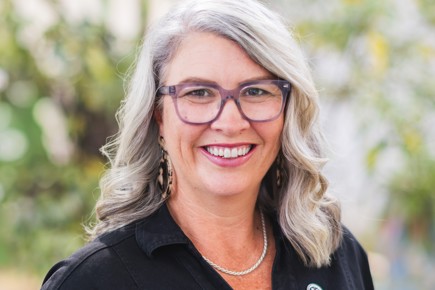
Micah Projects Board announces permanent CEO, Bridget Kinch, to deliver a strong vision and continue values-based leadership and commitment to social justice.
Domestic and Family Violence ServicesSocial Enterprise and Community ConnectionHousing and Homelessness ServicesInclusive Health PartnershipsLotus ServicesSupportive HousingSystems Leadership and AdvocacyWellspring ServicesWomen, Children and FamiliesWomen and Girls Health Hub -
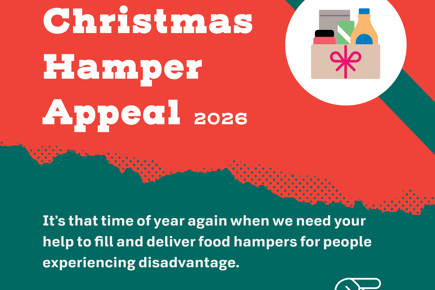
Support our 2026 Christmas Hamper Appeal News
A Christmas hamper is more than a meal. It is a reminder that someone cares. Donate towards the cost of a Christmas hamper and help bring care, comfort and a little joy this Christmas.
Women, Children and FamiliesSupportive HousingLotus ServicesHousing and Homelessness ServicesSocial Enterprise and Community ConnectionDomestic and Family Violence Services -
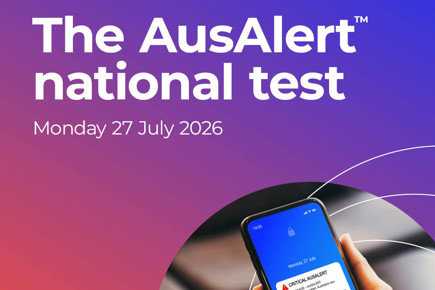
How to Plan for the AusAlert National Emergency Alert System News
Find out how to plan ahead for the national AusAlert test on Monday 27 July 2026, which is Australia's new national emergency alert system. This may increase risk for people experiencing domestic and family violence and who have a safe phone or concealed device.
Domestic and Family Violence Services